Stromness – Spirit of the Sea
‘What will Stromness be, in the 23rd century?
There might be a guide showing troops of tourists around the deserted streets and the ruined piers…
‘This,’ says the guide, ‘must once have been a fairly prosperous little place.
Its business had obviously to do with the sea, and fish…’
Over there, at the edge of Hoy Sound, tens of thousands of scallop shells were found, and crab shells…
There were found, in many of the ruins, primitive harpoons, and exotic objects from all over the globe that had obviously been brought home by local sailors…’
Even today, it’s said, the seagulls make the most melancholy outcries of all over this place.
Hamnavoe! they cry. What’s become of you?
We’re the long-dead mariners and fishermen that you reared and nurtured and sent out, centuries ago…
Where are our crusts and our pieces of fish?’ — George Mackay Brown
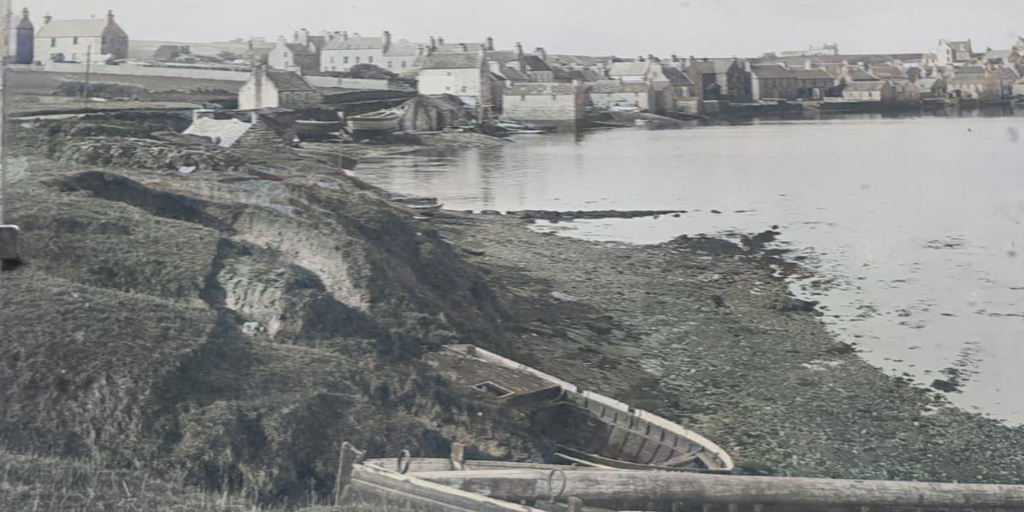

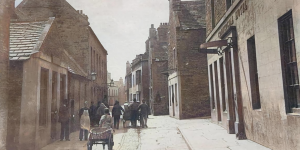
Stromness is a newer town than Kirkwall whose roots are in the Middle ages. In the late 16th century from a group of possibly just fishermens huts on the Garson shore.
In the late 16th century, a man called William Clark, with his wife Mareon built an inn, at the edge of the harbour (with permission from the earl in Birsay).
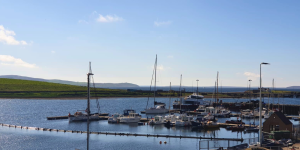
Hamnavoe as named by the Vikings (‘Haven inside the bay”) saw the big sailing ships, often stormbound between Brinkies Brae in the West and the holms (tidal islands) in the East. These ships sailed to Scandinavia and the Baltic, and over the decades ventured further westward.
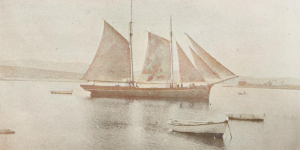
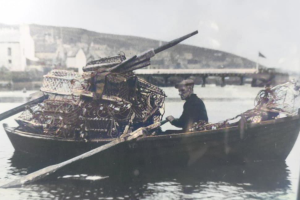
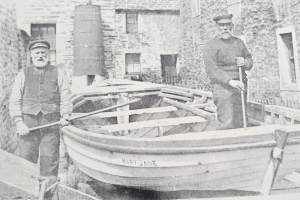
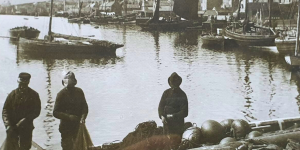
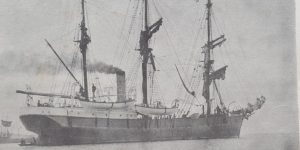
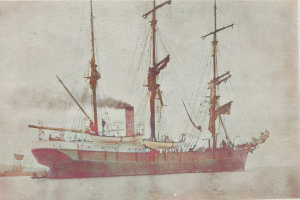
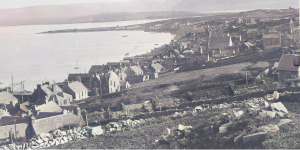


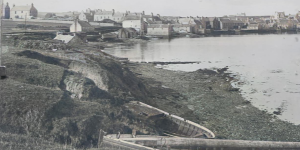
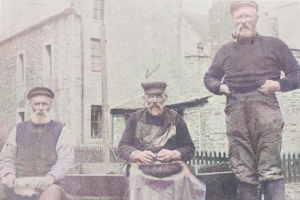
To the American Colonies in the natural anchorage of Hamnavoe, Wiliam & Mareon Clarks Inn offered refuge, home-brewed Ale and Humble Orkney fayre to many Semen of Europe.
Today, there may be no stone fragments of the inn to be found, but they were the first recorded business people in the parish of Stromness.
By the 18th century, the village grew rapidly and with the Napoleonic wars starting in 1799 it became safer for trading ships to sail around the North of Scotland than through the English channel stopping in Hamnavoe Bay, to replenish.

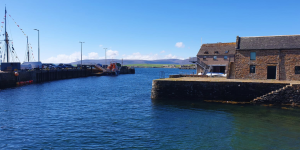

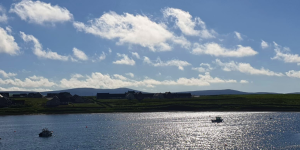


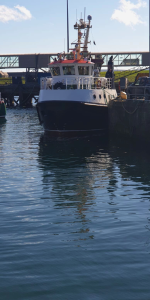
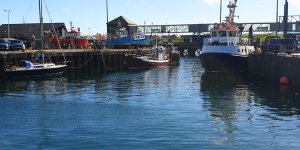
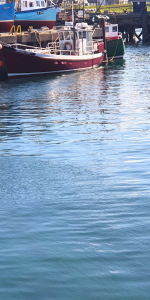
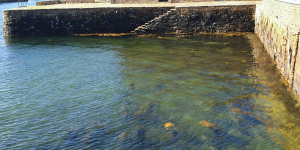
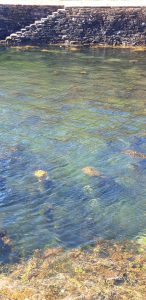
Water and stores, here Orkney Came into Its own with its Crop farming/ cattle farming. Fresh supplies of bread, dairy foods and meat produce were sold to these seamen for their Long sea journeys.
Orkney men began to build their Own ships in Stromness (often Laird’s sons) for trading with Northern European ports such As Hamburg. Hamnavoe, that “Wave of Tumbling stone “As G.M. B. called it, grew and prospered.